
A Complete Guide to Systems, Regulations, Maintenance, and Management in Indonesia
Introduction
Apartment elevators are vital infrastructure in multi-story residential buildings. Their function is not simply a means of vertical transportation, but also determines occupant comfort, property value, safety, and regulatory compliance. In the context of apartment management in Indonesia, elevators are closely intertwined with technical, legal, operational, and financial aspects, often leading to questions and disputes between managers, PPPSRS (Residential Building Management Unit), and vendors.
What is an Apartment Elevator
Apartment elevators are elevator systems specifically designed for vertical residential use, with distinct characteristics compared to office or hospital elevators. These differences include capacity, frequency of use, cabin design, and safety systems tailored to the occupant's profile.
In apartments, elevators are typically divided into several types based on their function, such as main passenger elevators, service elevators, and freight elevators. This division aims to ensure efficiency, safety, and the equipment's lifespan.
Types of Apartment Elevators
Passenger Elevator
Passenger elevators are the primary elevators used by residents and guests. Their design emphasizes comfort, moderate speed, and an interior appearance that aligns with the building's concept.
Service Elevator
Service lifts are used for operational activities such as housekeeping, transporting linens, trash, or technical equipment. They typically feature more robust specifications and functional cabin designs.
Freight elevator
Freight elevators focus on large lifting capacities at relatively low speeds. Not all apartments have this type of elevator, especially mid-rise buildings.
Main Components of an Elevator System
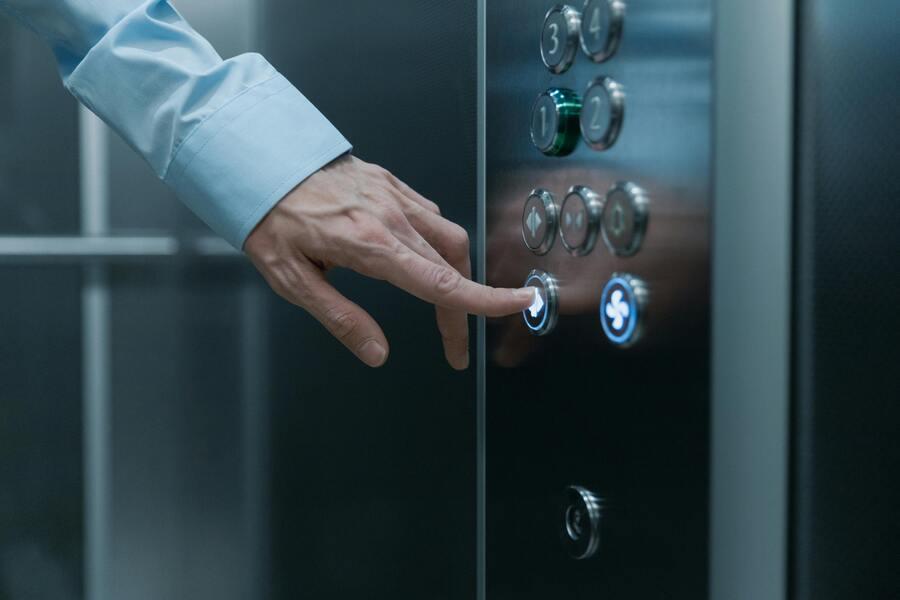
An apartment elevator system consists of several main, integrated components, including the drive motor, control system, cabin, guide rails, elevator doors, and safety system. Each component has technical standards and a service life that must be adhered to for long-term management.
Apartment Elevator Safety Standards
Safety is the most crucial aspect of elevator operation. Apartment elevators are required to meet Indonesian safety standards, including emergency braking systems, door sensors, alarms, and emergency communications within the cabin.
Regular testing and certification are essential to ensuring elevators remain operationally fit. Neglecting these aspects can potentially pose legal and safety risks for operators.
Apartment Elevator Regulations in Indonesia
The procurement, installation, and operation of apartment elevators in Indonesia are governed by various technical and occupational safety regulations. These regulations cover installation standards, periodic testing requirements, and the role of building management.
In the context of strata-title apartments, elevators are categorized as shared assets, whose management falls under the responsibility of the PPPSRS (Community Service Provider) after handover from the developer.
Elevator as a Shared Part of the Apartment
Elevators are considered shared facilities and shared areas used by all residents. Consequently, operational, maintenance, and component replacement costs are charged proportionally through environmental management fees or reserve funds.
Understanding the status of elevators as shared areas is crucial to avoid conflicts between residents, PPPSRS, and management.
Elevator Procurement and Replacement
Procuring a new elevator or replacing an existing one is a strategic decision involving technical, budgetary, and legal aspects. Ideally, this process should be conducted through a transparent mechanism, including independent technical reviews and the selection of competent vendors.
Mistakes in the procurement stage can impact long-term costs and potential safety issues.
Lift Care and Maintenance
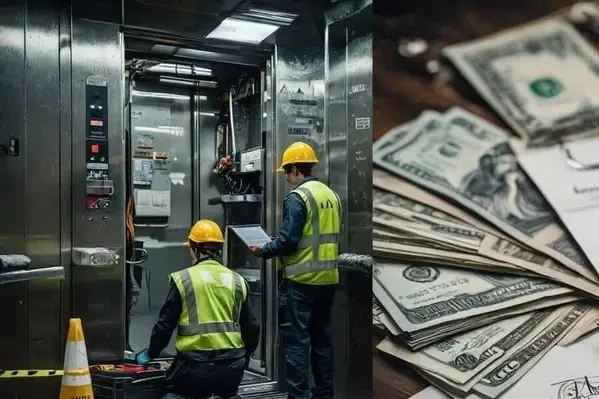
Apartment elevator maintenance includes routine maintenance, periodic repairs, and overhauls at specific ages. The maintenance contract with the elevator vendor should be clearly drafted, including the scope of work, SLA, and responsibilities of each party.
Proper maintenance not only extends the elevator's lifespan but also reduces downtime and occupant complaints.
Elevator Vendors and Work Contracts
Elevator vendors play a crucial role in installation and maintenance. The relationship between the PPPSRS, building management, and vendor must be governed by a transparent and accountable contract.
Vendor selection should consider not only price but also reputation, spare parts availability, and long-term technical capabilities.
Common Apartment Elevator Problems
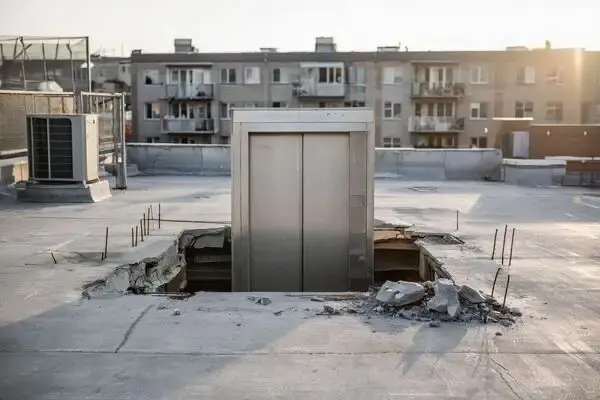
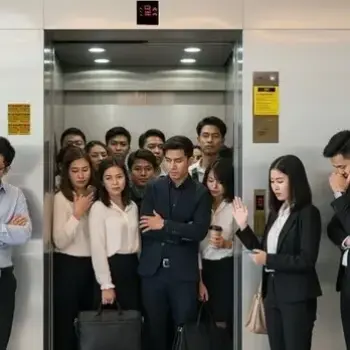
Some common problems with apartment elevators include frequent breakdowns, long wait times, loud noises, and door interference. These issues are generally related to the elevator's age, poor maintenance, or initial design flaws.
A systematic approach is needed to identify the root cause and determine the appropriate solution.
Apartment Elevator Dispute
Elevators are often the subject of disputes in apartments, particularly regarding major repair costs, unit replacement, or vendor selection. These disputes can involve PPPSRS, developers, managers, and residents.
Understanding regulations and technical documentation is key to resolving disputes fairly.
The Role of PPPSRS in Elevator Management
The PPPSRS has strategic responsibility for ensuring the safe and efficient operation of apartment elevators. This role includes decision-making, vendor oversight, and transparent communication with residents.
Good elevator management reflects professional apartment governance.
Occupant Education Regarding Elevator Use
In addition to technical aspects, educating occupants about proper elevator use is also crucial. Inappropriate use can accelerate damage and increase the risk of accidents.
Simple but consistent education can significantly impact the sustainability of an elevator system.
Closing
Apartment elevators are complex systems involving technical, legal, and social aspects. With a comprehensive understanding of apartment elevators, all stakeholders can make more informed, transparent, and long-term decisions.