
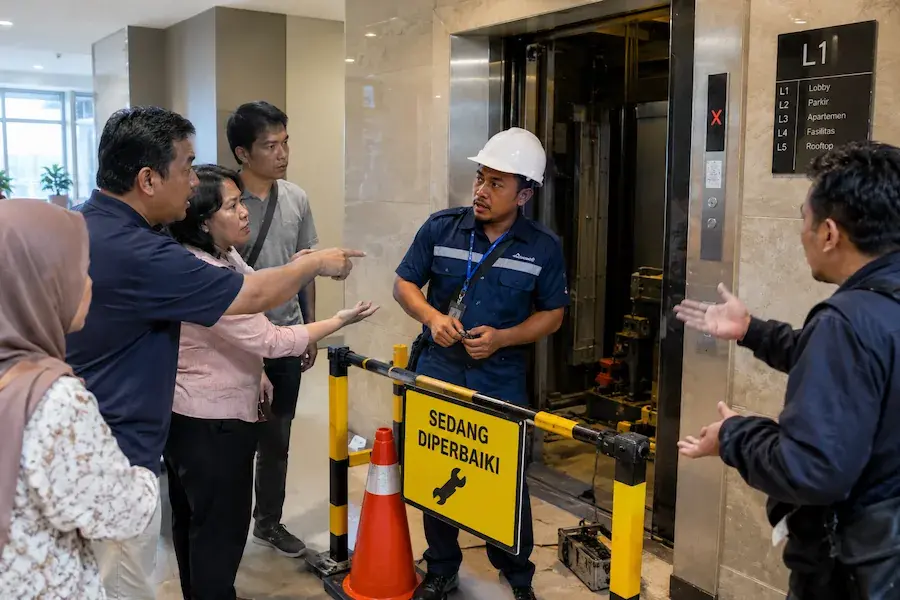
Elevator Breakdowns Are More Than an Operational Issue. They Affect Residents' Comfort, Property Values, and the Right to Transparency
In apartment buildings, elevator problems often lead residents to complain to the building management (BM). This is understandable, as the BM handles the building's day-to-day operations and is the main point of contact for residents. However, important questions arise when elevator problems keep recurring, repairs drag on, or residents' complaints are not adequately addressed. Is the BM really the only party responsible?
The management board of the Association of Owners and Occupants of Condominium Units (PPPSRS) and the BM have distinct roles. The management board is responsible for organizational matters, decision-making, and oversight within its authority. The BM, on the other hand, handles day-to-day operations in accordance with its contract, assigned duties, and applicable regulations.
This division of responsibilities must not become an excuse for either party to shirk its obligations. Elevator problems are not just about keeping the building running smoothly. They also affect residents' comfort, financial interests, and right to know how shared facilities are managed.
1. The PPPSRS Management Board's Responsibilities Do Not End with Appointing the BM
The PPPSRS management board cannot consider its job done simply because it has appointed a BM to manage the building. Appointing a building management company is part of the management process. It does not mean that the board can transfer all its organizational responsibilities to the BM.
The management board is responsible for protecting and managing the interests of owners and residents in accordance with applicable regulations, the articles of association, the bylaws, and valid organizational decisions. When it comes to elevators, these responsibilities may include monitoring the BM's performance, reviewing breakdown reports, assessing budget requirements, and making necessary decisions within its authority.
If elevator problems keep recurring and the BM has submitted reports or requests for action, the management board must ensure that the issues are properly followed up. It should also check whether maintenance work has been carried out as required and whether the repairs have adequately addressed the problems.
If the management board knows that action is needed but fails to act despite having the authority to do so, its conduct should be reviewed in light of its responsibilities, the available evidence, and the circumstances of the case.
In other words, the board's responsibility goes beyond receiving reports from the BM or passing residents' complaints along. It must also ensure that decisions and oversight measures within its authority are actually implemented.
2. The BM's Responsibilities for Elevator Maintenance and Operations
The BM is responsible for carrying out day-to-day operational work in accordance with its contract and assigned duties. This may include monitoring elevator conditions, arranging routine maintenance, calling in technicians, recording malfunctions, reporting damage, and securing facilities that could pose a risk to residents.
When an elevator breaks down, the BM should explain the situation based on the available technical information. This may include the technicians' inspection findings, repairs already carried out, further work required, the estimated time needed to complete the repairs, and measures to prevent the same problems from recurring.
If repairs require budget approval or a decision from the management board, the BM should submit a written request explaining what is needed. This allows the board to identify and address any obstacles that fall outside the BM's authority.
However, the BM cannot avoid its responsibilities simply by claiming that certain decisions are up to the management board. Any operational work that falls within the BM's contractual duties must still be carried out in accordance with the agreement and applicable regulations.
The BM's performance should therefore be assessed based on its contractual responsibilities, maintenance records, technical reports, and evidence of whether it has fulfilled its agreed obligations.

3. Why the Management Board Must Not Hide Behind the BM
In many apartment buildings, residents deal directly with the BM when reporting elevator problems. The BM answers their questions, explains what has gone wrong, and provides updates on repairs. Meanwhile, the PPPSRS management board sometimes fails to explain adequately what decisions it has made or what oversight measures it has taken.
This can leave residents struggling to understand what is actually causing the problem. Is it a technical fault, inadequate maintenance, delayed budget approval, unfinished work by a maintenance contractor, or a lack of proper oversight?
The BM may be the main source of technical information, but that does not automatically make it responsible for every decision concerning elevator management. Likewise, the management board should not leave all communication and accountability to the BM when the issue involves organizational decisions, oversight, or budget spending within the board's authority.
The management board must explain the decisions it has made and the actions it has taken. The BM must account for the operational work it performs. If a maintenance contractor is involved, its contractual obligations and the quality of its work must also be reviewed.
Residents deserve answers that can be verified against documents and actual actions, not vague explanations that simply shift the blame from one party to another.
4. Elevator Problems Affect Residents' Comfort and Quality of Life
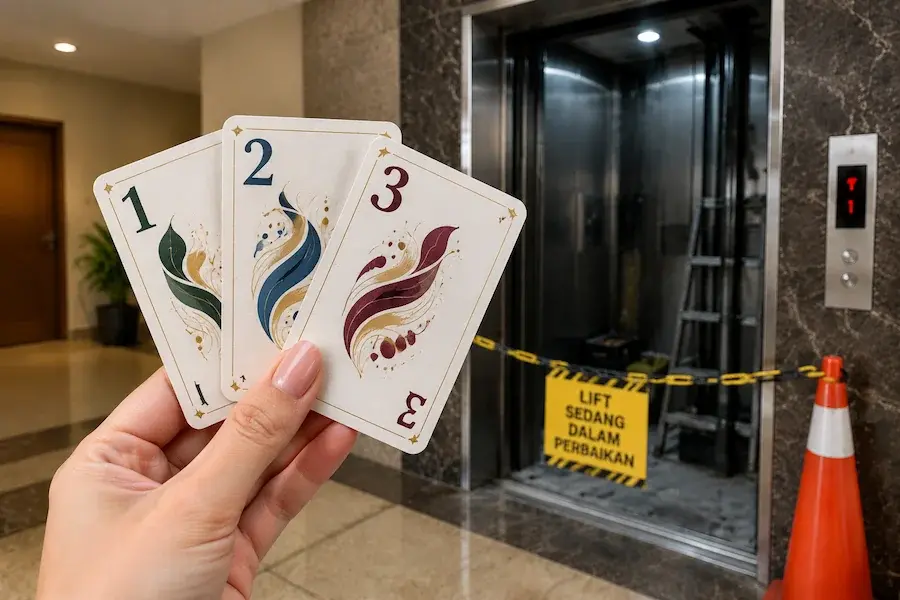
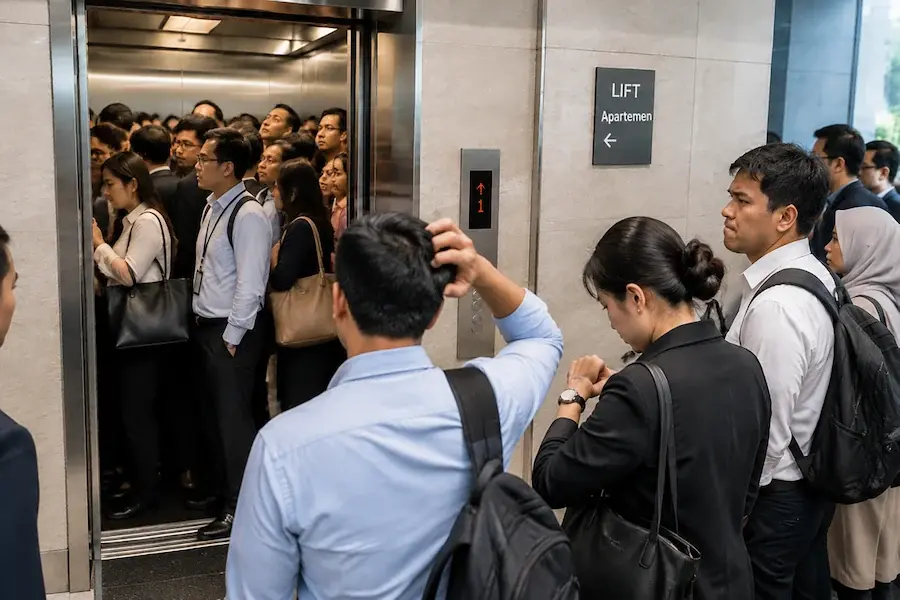
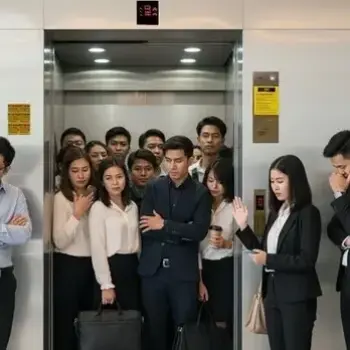
Elevators are essential to everyday life in an apartment building. When they frequently break down, residents face longer waits, delays, and difficulties carrying belongings or going about their daily routines.
The impact can be particularly serious for older people, people with disabilities, families with young children, and residents with limited mobility. For them, an elevator is not just an extra convenience. It is an essential part of the building's accessibility.
That is why good elevator management cannot be judged solely by whether a lift eventually starts working again. The frequency of breakdowns, repair times, operational reliability, maintenance quality, and the clarity of information provided to residents all matter.
If the same problems keep recurring, the management board and BM should review maintenance records, technical inspection findings, repair quality, and the contractor's performance. The aim is to go beyond temporary fixes and identify the underlying causes of repeated breakdowns.
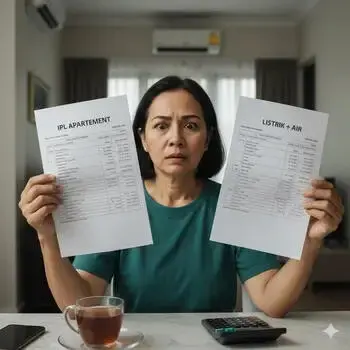
Residents pay management fees to cover the operation and maintenance of shared facilities. They are therefore entitled to clear and adequate explanations of the quality of service they receive.
5. Elevator Problems Can Affect Property Values
An apartment is more than a place to live. It is also a financial asset for its owner. The condition of shared facilities is one factor that can shape how prospective buyers and tenants view the quality of an apartment building.
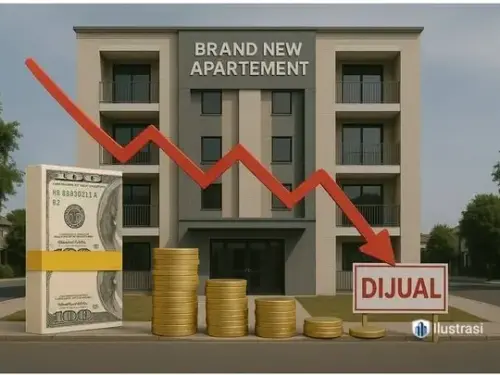
Frequent elevator breakdowns, long waiting times, and uncertainty about maintenance can make a building less attractive. In some circumstances, these problems may reduce interest from prospective tenants, make individual units less competitive, and affect their potential sale or rental value.
Of course, an elevator breakdown does not automatically cause apartment prices to fall. Property values depend on many factors, including location, building condition, age, facilities, and market conditions. Nevertheless, the quality of shared-facility management remains an important factor in maintaining a property's appeal and economic value.
For this reason, the PPPSRS management board should not treat elevator problems as merely technical complaints that the BM can answer. They also concern the upkeep of shared assets and the financial interests of property owners.
Residents have the right to ask how maintenance funds are being spent, whether the work is of an acceptable standard, and what steps are being taken to prevent recurring breakdowns. Transparency allows owners to assess whether the management fees they pay are delivering value for money.
6. Residents' Right to Request Information and Access Elevator Maintenance Contracts
Residents need to know who is responsible for maintaining the elevators, what the maintenance contractor is required to do, and how its work is monitored.
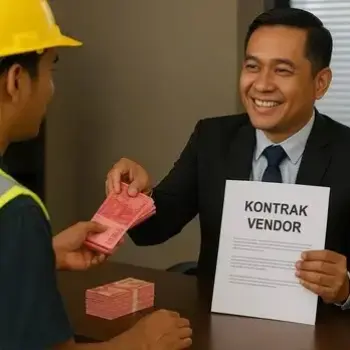
Elevator maintenance may be handled by a specialist contractor hired by the building management or another authorized party. Residents should therefore have access to adequate information about the working relationship between the PPPSRS, the BM, and the maintenance contractor.
Owners or residents with a legitimate interest may submit a written request to the PPPSRS management board for information about the elevator maintenance contract. Relevant details may include the scope of work, maintenance schedule, contract period, service standards, breakdown response procedures, contractor obligations, and procedures for evaluating the work.
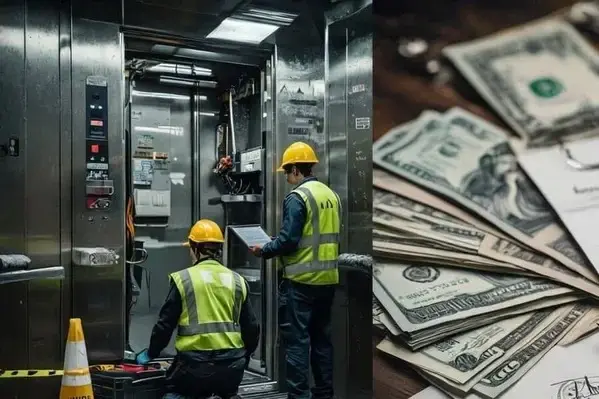
Residents may also ask for information about maintenance costs, work reports, technical inspection results, and follow-up actions relating to service quality. These details help them assess whether work funded through the building's management budget has been carried out as agreed.
However, the right to request information does not necessarily mean that everyone is automatically entitled to unrestricted access to every document. Access to the full contract or a copy of it must be considered in light of the applicant's legal standing, applicable laws, the PPPSRS articles of association and bylaws, valid organizational decisions, and legitimate confidentiality requirements.
Even so, requests for information about the use of management funds and the maintenance of shared facilities should receive a clear response. If certain parts of a document must remain confidential, the management board should explain why and consider providing access to the information that can legitimately be disclosed.
Contract transparency is not merely an administrative matter. The contract provides a basis for understanding each party's obligations, assessing the quality of the work, and determining whether further review or action is necessary.
Without adequate information, residents will struggle to determine whether elevator breakdowns occurred despite the contractor fulfilling its maintenance obligations or whether some of the required work was not carried out properly.
7. Practical Steps to Ensure Accountability
Residents can submit a written request to the PPPSRS management board and the BM for information about elevator breakdowns, maintenance schedules and results, technicians' reports, repair plans, and maintenance contracts, subject to their applicable rights of access.
The request should clearly specify the information needed so that the response does not remain vague or general. Residents can also ask which party is responsible for resolving the problem, what actions have already been taken, and when the work is realistically expected to be completed.
The management board should explain the decisions it has made and the oversight measures it has taken within its authority. The BM should explain the operational condition of the elevators and the work carried out. The maintenance contractor should be assessed against its contractual obligations and the available evidence of its performance.
When breakdowns recur, the review should be based on maintenance records, technical reports, repair times, and the history of residents' complaints. This gives residents a way to assess the response using information that can be checked and verified.
If their requests receive no response or are not properly addressed, residents can use the PPPSRS internal complaint procedures, request an inspection by the relevant authorities within their respective jurisdictions, or consider legal action based on the available evidence and applicable law.
Conclusion: Apartment Elevator Management Must Be Transparent and Accountable
In apartment buildings, the BM is responsible for carrying out operational work in accordance with its contract and assigned duties. The PPPSRS management board, meanwhile, must fulfill its responsibilities for decision-making, oversight, and follow-up within its authority.
These responsibilities concern more than safety. They also affect residents' comfort, the quality of building services, and the potential economic value of their properties. Elevator problems should therefore be treated as part of the management of shared facilities, with direct consequences for the daily lives and interests of owners and residents.
Residents also need adequate information about maintenance contracts, contractor obligations, budget spending, and completed work. Without transparency, they cannot properly assess whether the management fees they pay are being used to maintain shared facilities to an acceptable standard.
The management board should not use the BM's appointment as an excuse to avoid organizational accountability. Equally, the BM cannot escape its own obligations by claiming that every decision rests with the management board.
Ultimately, it is not enough to tell residents that an elevator is being repaired. They deserve to know what caused the breakdown, based on adequate technical inspections, which party is responsible for each task, how maintenance funds are being spent, and what concrete steps are being taken to improve the service.
Good elevator management is not just about getting a lift running again. It is about ensuring that shared facilities are maintained and managed responsibly and transparently, with proper regard for residents' needs and interests.
Read other articles too: